KARACHI: Despite evolving policies around net metering and rising installation costs, rooftop solar systems continue to attract strong interest in urban Pakistan, driven largely by soaring electricity and fuel prices.
On a typical sunny day in Karachi, residents like Ali Hassan monitor their solar generation through in-home inverters, reflecting a growing shift toward energy self-reliance. While earlier expectations included selling excess electricity to the grid, recent policy changes have made such returns less certain.
According to the Alternative Energy Development Board and market estimates, demand for distributed solar systems remains robust among households and small businesses seeking relief from high power tariffs. However, increasing import costs and regional tensions have pushed solar panel prices back up to Rs33–Rs40 per watt.
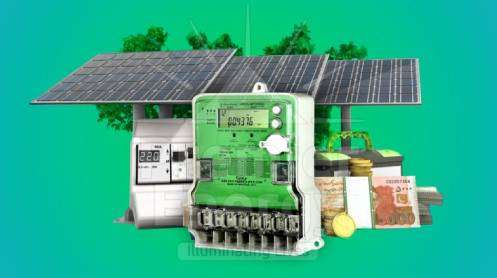
A key concern for consumers is the transition from net metering to net billing, where surplus electricity is purchased at a lower fixed rate, reducing overall financial returns. This shift has prompted buyers to reassess system sizes and payback periods.
Vendors report sustained demand across Karachi, particularly in areas like Orangi Town, Korangi, and Naya Nazimabad. Many consumers are now prioritizing reduced electricity bills and energy reliability over profit from excess generation. Installation costs typically range from Rs200,000 to over Rs500,000, with payback periods of one to three years depending on system size.
Households are increasingly opting for smaller, need-based systems to power essential appliances, while businesses are exploring solar to maintain operational continuity amid rising energy costs.
Although policy uncertainty has slowed decision-making for some, analysts believe rooftop solar remains a practical and cost-effective solution for reducing dependence on the national grid. Going forward, the sector’s growth will depend on regulatory clarity, stable pricing policies, and continued affordability of solar technology.
Story by Anika Siddiq